The Wisdom Library

The Great Traditions

An educational guide to the world's most profound spiritual and philosophical traditions — each one a unique doorway into the same timeless wisdom.

The world's great wisdom traditions have emerged across different cultures, centuries, and languages — yet they share a remarkable family resemblance. Each one grapples with the same fundamental questions: What is the nature of reality? What is the self? How should one live? What lies beyond ordinary experience? This library is your guide to exploring these traditions and the books that illuminate them.

Western Esoteric Tradition

Hermeticism

As above, so below

Hermeticism is a philosophical and spiritual tradition that emerged in the early centuries of the Common Era, drawing on Egyptian, Greek, and early Christian thought. Its foundational texts — the Corpus Hermeticum — present a vision of the cosmos as a living, intelligent whole, animated by divine mind. The tradition teaches that the human being is a microcosm of the universe, and that self-knowledge is the path to knowledge of the divine. Hermetic ideas profoundly influenced the Renaissance, the development of Western science, Freemasonry, and the modern New Age movement.

Key Ideas

As above, so belowThe All is MindThe Seven Hermetic PrinciplesThe Great Work

Key Figures

Hermes Trismegistus · Marsilio Ficino · Giordano Bruno · Isaac Newton

Essential Texts

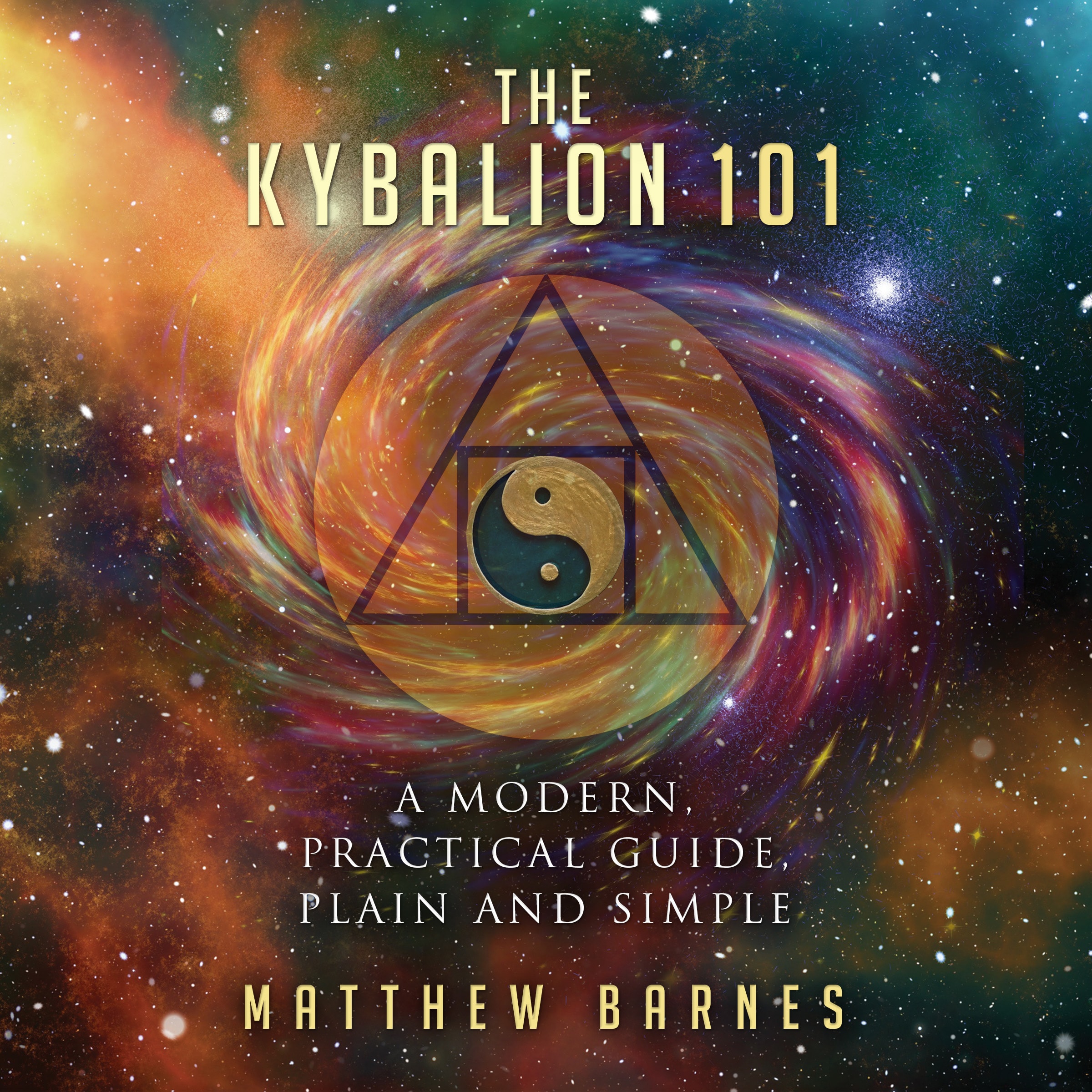
The Corpus Hermeticum · The Kybalion · The Emerald Tablet

The Art of Transformation

Alchemy

Solve et Coagula

Alchemy is one of the most misunderstood traditions in the history of human thought. While it did involve laboratory work with metals and chemicals, its deepest practitioners understood it as a spiritual discipline — a systematic process of inner transformation that mirrored the outer work of the laboratory. The alchemist sought to refine not just metals but the soul itself, burning away impurities to reveal the pure gold of the true self. Alchemical symbolism profoundly influenced Carl Jung's psychology, and its ideas continue to resonate in modern spiritual practice.

Key Ideas

The Philosopher's StoneSolve et CoagulaThe Prima MateriaThe Great Work

Key Figures

Jabir ibn Hayyan · Paracelsus · Nicolas Flamel · Carl Jung

Essential Texts

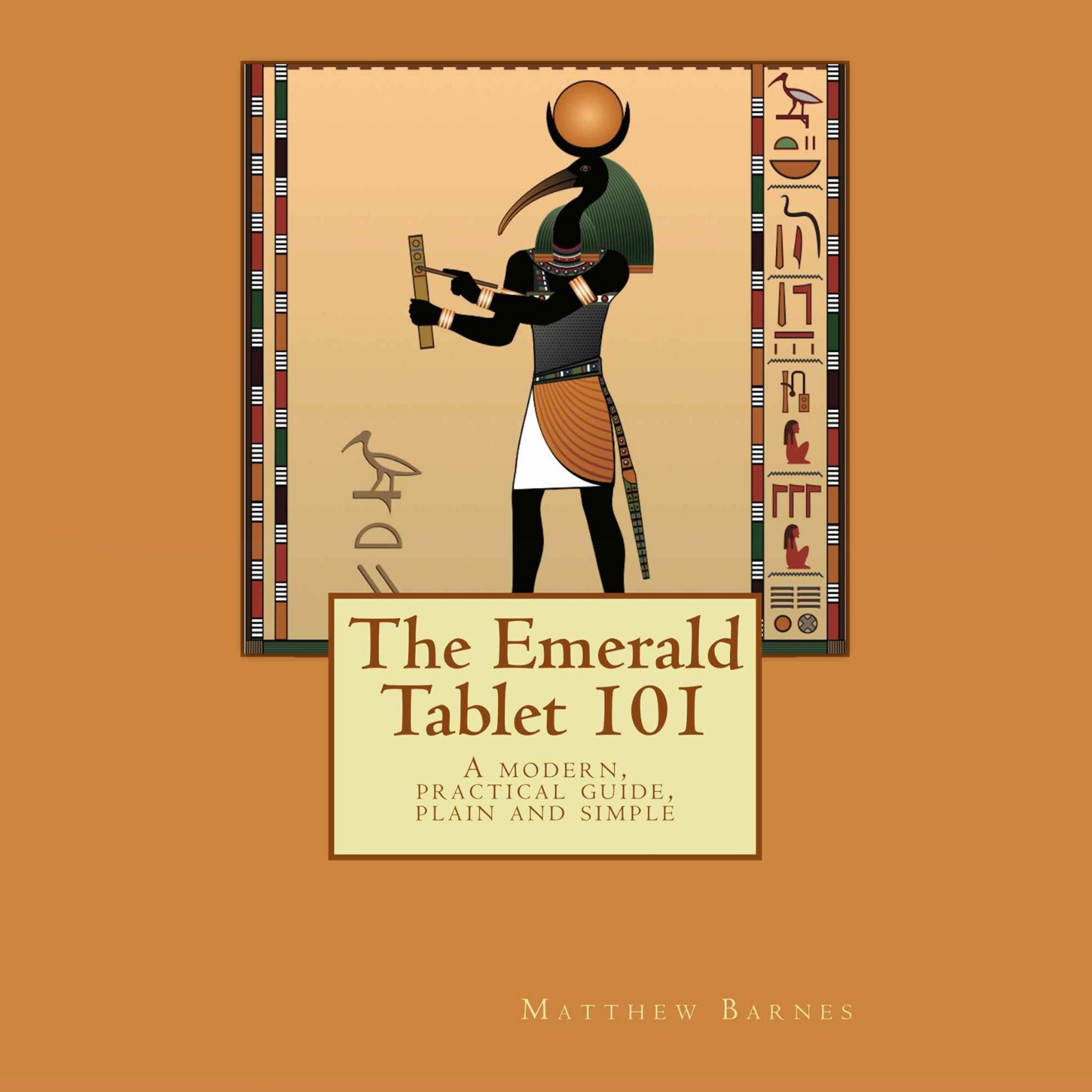
The Emerald Tablet · The Rosarium Philosophorum · Splendor Solis

The Way of Nature

Taoism

The Tao that can be named is not the eternal Tao

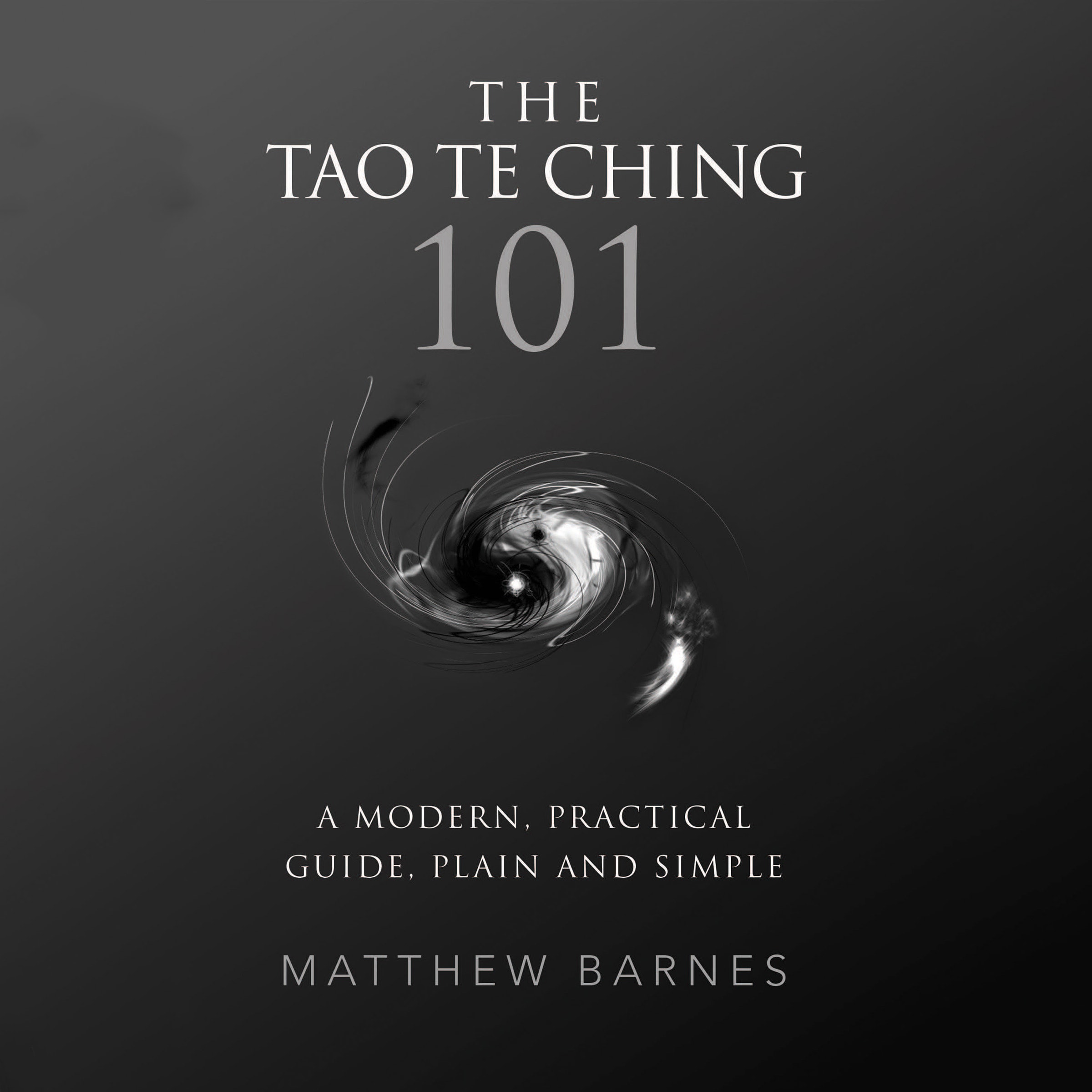
Taoism is one of the world's great wisdom traditions, emerging in ancient China and profoundly shaping Chinese culture, art, medicine, and martial arts. Its foundational text, the Tao Te Ching, attributed to the sage Lao Tzu, is one of the most translated books in history. Taoism teaches that there is a natural order to the universe — the Tao, or 'the Way' — and that the path to wisdom and well-being lies in aligning oneself with this order rather than struggling against it. The principle of wu wei — effortless action, or non-forcing — is central to Taoist practice.

Key Ideas

The TaoWu WeiTe — virtue or powerYin and Yang

Key Figures

Lao Tzu · Zhuangzi · Liezi

Essential Texts

Tao Te Ching · Zhuangzi · Liezi

The Direct Path

Zen Buddhism

Before enlightenment, chop wood, carry water

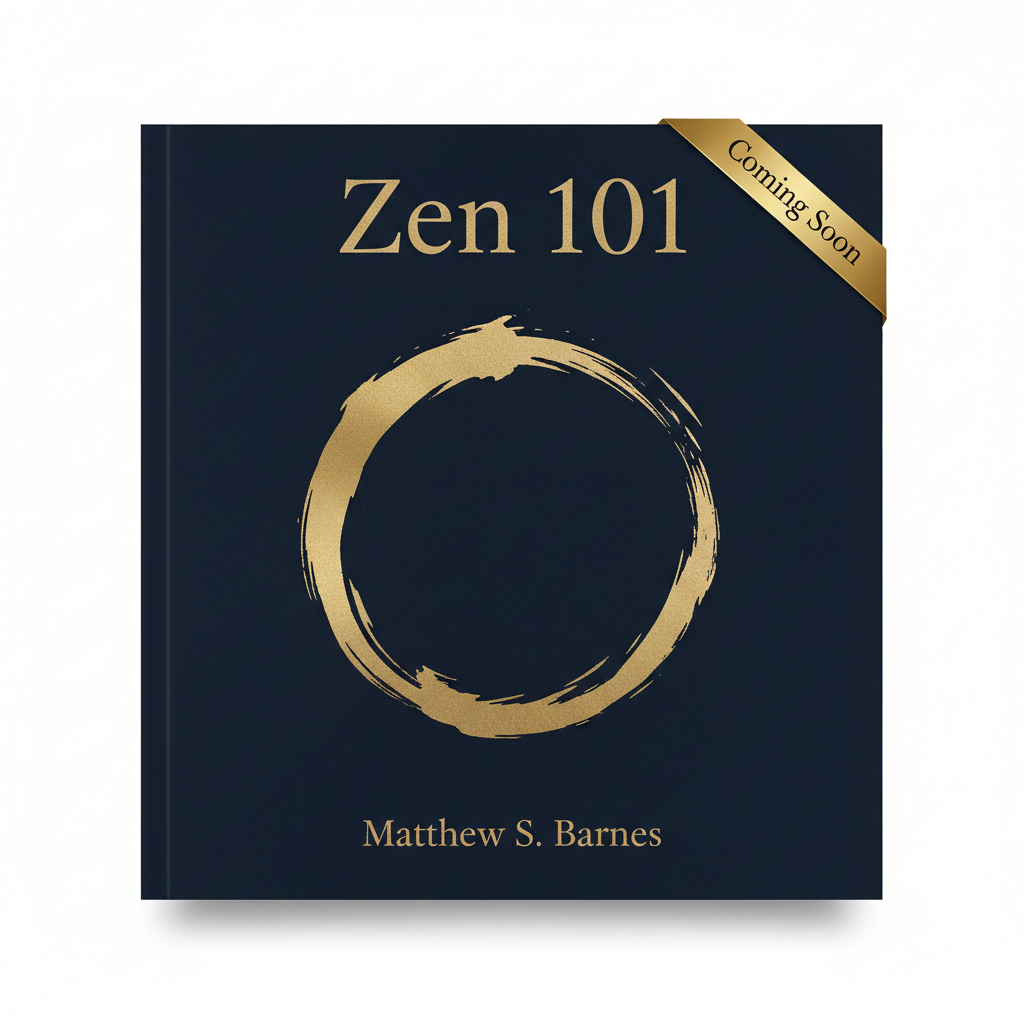
Zen is a school of Mahayana Buddhism that emerged in China (as Chan) and later flourished in Japan. It is distinguished by its emphasis on direct, experiential awakening rather than doctrinal study or ritual practice. Zen teachers use paradoxical stories (koans), direct pointing, and sometimes shocking interventions to break through the student's conceptual mind and reveal the nature of awareness itself. Zen has profoundly influenced Japanese art, poetry, martial arts, and culture, and has attracted enormous interest in the West since the twentieth century.

Key Ideas

Satori — sudden awakeningThe koanBuddha-natureBeginner's mind

Key Figures

Bodhidharma · Huineng · Dogen · Rinzai · D.T. Suzuki

Essential Texts

The Platform Sutra · The Blue Cliff Record · The Gateless Gate

Hindu Philosophy

The Upanishads

Tat tvam asi — That thou art

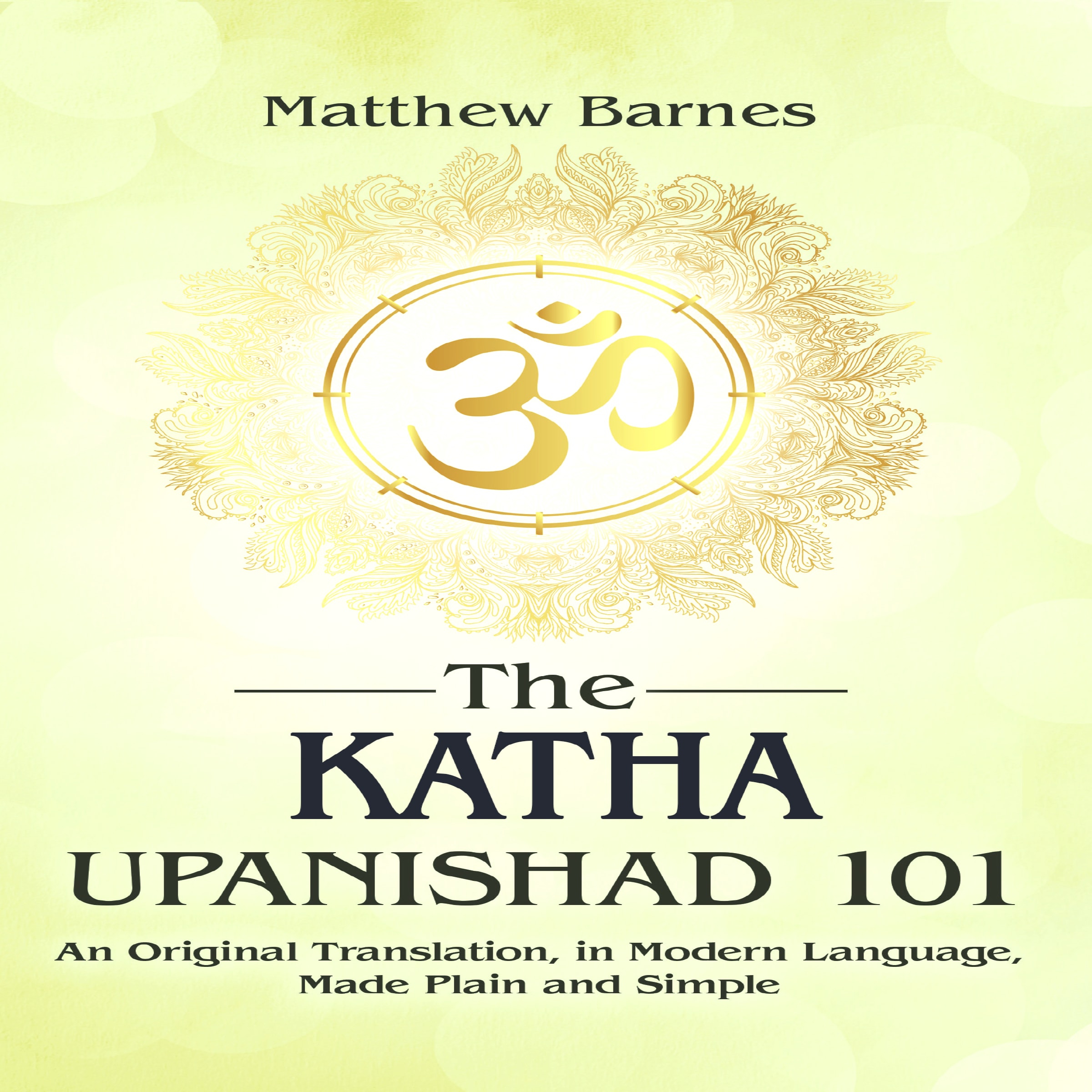
The Upanishads are a collection of ancient Indian texts that form the philosophical foundation of Hinduism. Composed over many centuries, they represent the culmination of Vedic thought — a shift from ritual and cosmology toward philosophy and inner experience. The Upanishads explore the nature of Brahman (ultimate reality), Atman (the individual self), and the relationship between them. Their central teaching — that Atman and Brahman are ultimately identical — is one of the most profound and far-reaching ideas in the history of human thought.

Key Ideas

Atman — the eternal selfBrahman — ultimate realityTat tvam asiMoksha — liberation

Key Figures

Yajnavalkya · Shankara · Ramanuja · Schopenhauer

Essential Texts

Katha Upanishad · Brihadaranyaka Upanishad · Chandogya Upanishad

The Mystical Heart of Christianity

Christian Mysticism

The kingdom of God is within you

Christian mysticism is the tradition within Christianity that emphasizes direct, experiential encounter with God — not merely belief about God, but immediate, transformative experience of the divine presence. This tradition runs from the Desert Fathers of early Christianity through the great medieval mystics — Meister Eckhart, Julian of Norwich, John of the Cross, Teresa of Ávila — to the contemplative movements of the modern era. Christian mysticism shares deep affinities with other wisdom traditions, particularly in its emphasis on the transformation of consciousness and the union of the soul with the divine.

Key Ideas

Union with GodApophatic theologyThe contemplative lifeDeification

Key Figures

Meister Eckhart · Julian of Norwich · John of the Cross · Teresa of Ávila · Thomas Merton

Essential Texts

The Cloud of Unknowing · The Interior Castle · The Dark Night of the Soul

Ancient Esoteric Christianity

Gnosticism

Know thyself, and thou shalt know the universe

Gnosticism is a diverse collection of religious movements that flourished in the Mediterranean world during the first centuries of the Common Era. Gnostic traditions share a common emphasis on gnosis — direct, experiential knowledge of the divine — as the path to salvation. They typically present a vision of the cosmos as the creation of a lesser deity (the Demiurge), with the true divine reality lying beyond the material world. The discovery of the Nag Hammadi library in 1945 revolutionized our understanding of Gnosticism and revealed the remarkable diversity and depth of these ancient traditions.

Key Ideas

Gnosis — direct knowledgeThe DemiurgeThe Pleroma — the divine fullnessThe divine spark within

Key Figures

Valentinus · Basilides · Marcion · Elaine Pagels

Essential Texts

The Gospel of Thomas · The Gospel of Philip · The Apocryphon of John

Ready to Begin?

Explore the Books

Each book in the series is a clear, accessible guide to one of these great traditions — written for curious minds, not specialists.

View All Books